
Any Path to Travel LLC (920) 743-9201
Any Path to Travel LLC (920) 743-9201

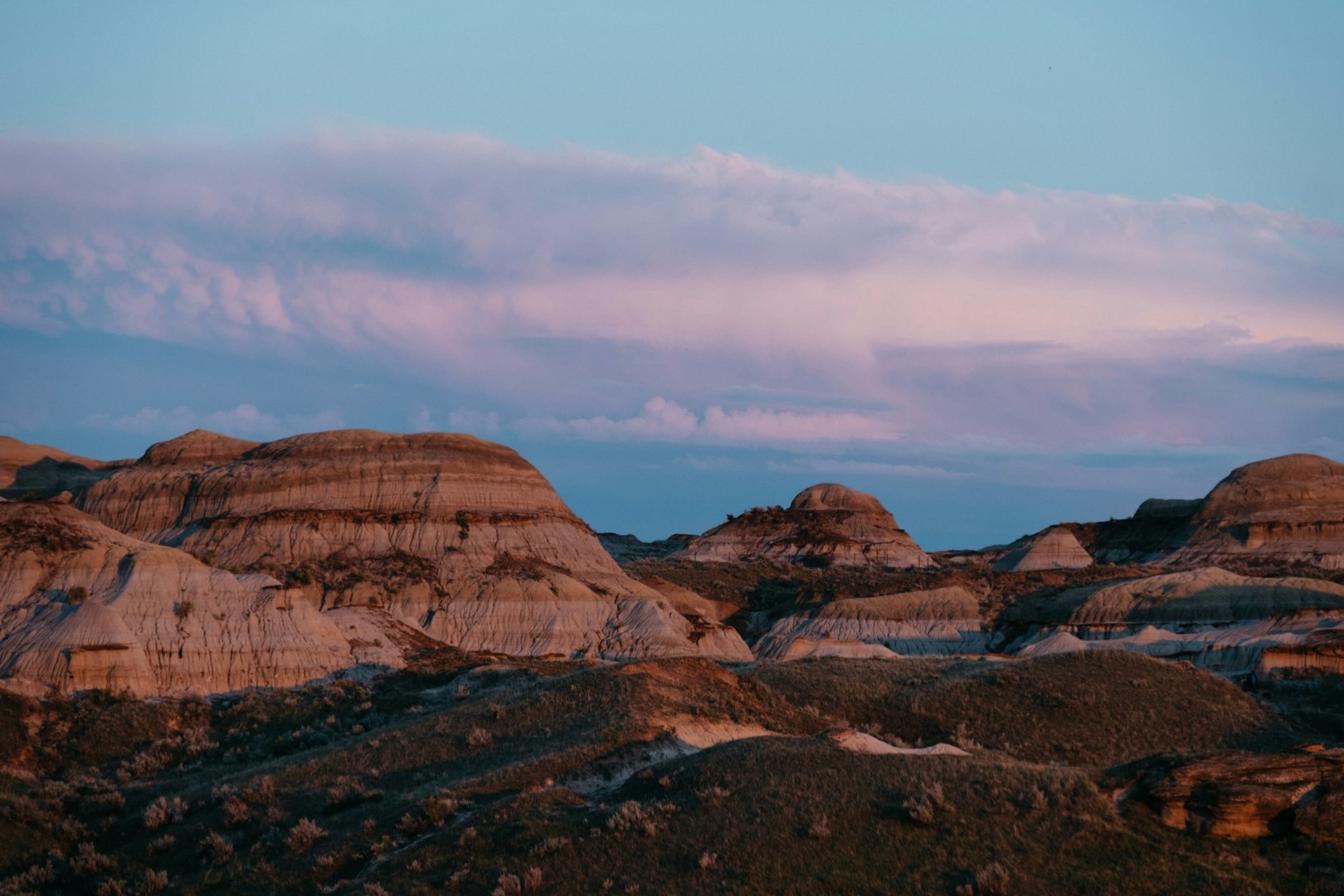
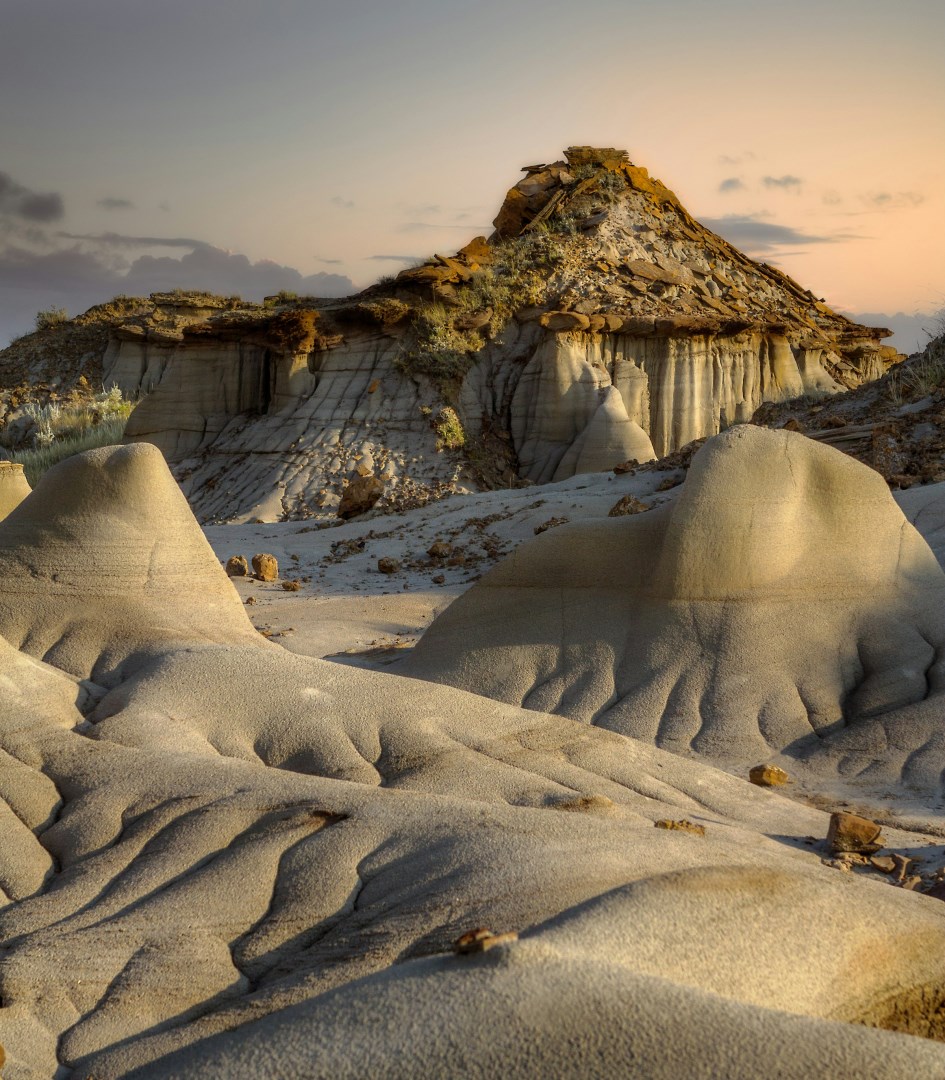
Dinosaur Provincial Park lies in the badlands of southeastern Alberta, along the Red Deer River. The park is recognized as a UNESCO World Heritage Site for both its geological landscape and its exceptional fossil record. Its dry valleys, eroded cliffs, hoodoos, and exposed rock layers reveal sediments from the Late Cretaceous period, when the region supported a very different ecosystem. The combination of fossil-bearing terrain and riverside cottonwood habitat makes the park one of Alberta’s most distinctive protected areas. Its landscape also provides a clear view of the geological forces that shaped the Canadian badlands.
The park’s cultural and scientific identity is closely connected to paleontology. Fossil discoveries here have helped researchers understand a diverse Late Cretaceous ecosystem, with remains representing more than 44 dinosaur species as well as other prehistoric animals and plants. The park’s visitor centre and guided programs introduce visitors to the work of paleontologists, fossil preparation, and the importance of preserving specimens in their original geological context. Fossil collection is regulated, and sensitive areas are protected to ensure that scientific information remains available for future research.
Dinosaur Provincial Park covers a broad section of badlands and riparian habitat along the Red Deer River. Erosion has carved the soft rock into narrow coulees, ridges, gullies, and exposed fossil-bearing formations. Hiking trails provide access to different parts of the landscape, while guided interpretive experiences allow visitors to explore areas where fossils have been discovered. The river corridor supports plains cottonwood trees and provides habitat for birds and other wildlife. The contrast between the dry, sparsely vegetated badlands and the greener river valley is one of the park’s defining environmental features.
The park’s food and visitor experience are centered more on its landscape and paleontological resources than on a distinctive local cuisine. Camping and picnic facilities allow visitors to spend time within the protected area, while guided fossil programs provide a closer look at specimens and excavation techniques. One of the park’s notable facts is the sheer concentration of scientifically important fossils: UNESCO reports that more than 350 articulated specimens from the Oldman and Dinosaur Park formations are held in museums around the world, including more than 150 complete skeletons. This exceptional record makes the park an important place for understanding prehistoric life.

