Any Path to Travel LLC (920) 743-9201
Any Path to Travel LLC (920) 743-9201

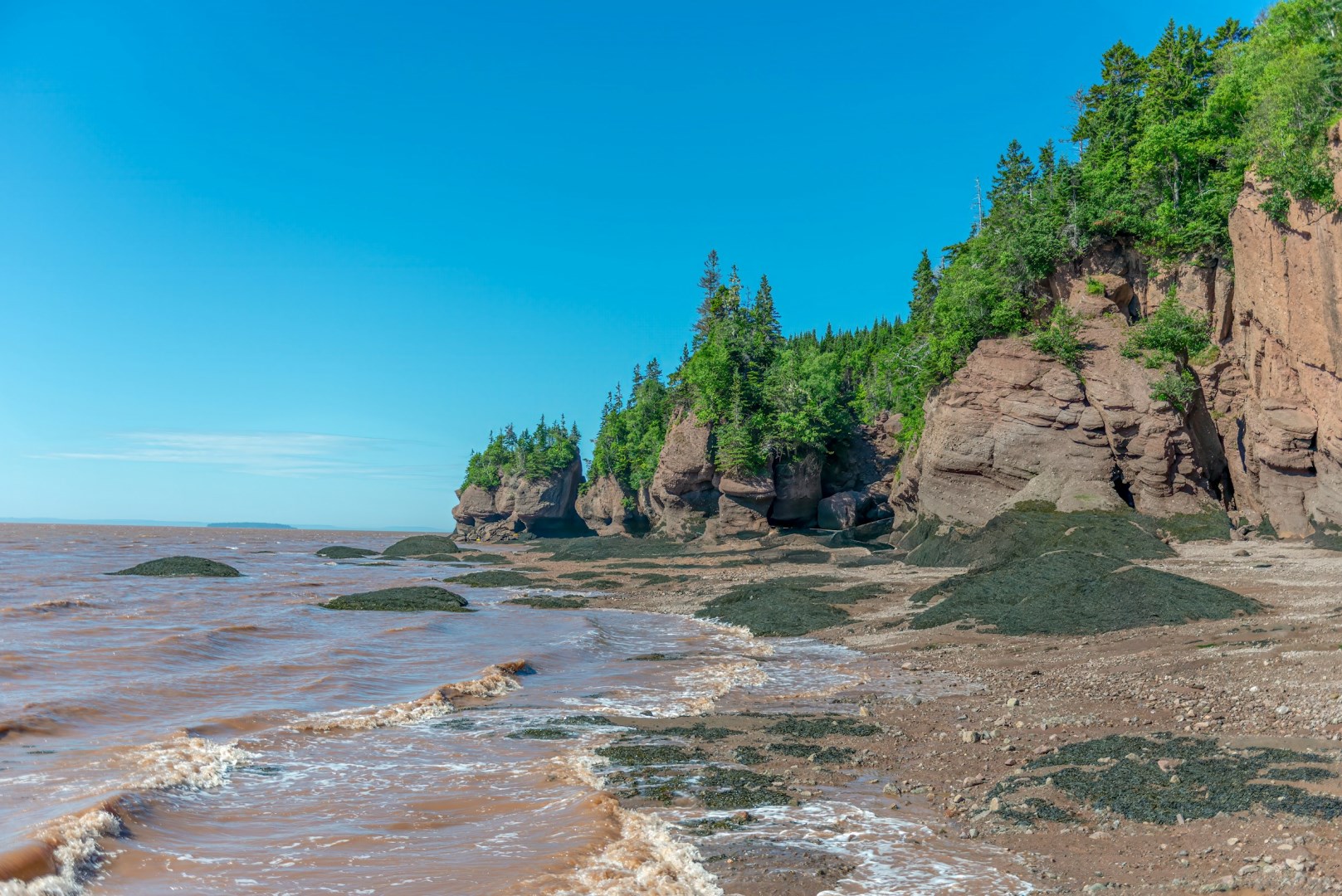
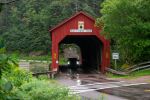
Fundy National Park is located along the Bay of Fundy coast in southeastern New Brunswick, where forested hills meet one of the world’s most pronounced tidal environments. The park protects a varied landscape of coastal cliffs, salt marshes, dense Acadian forest, lakes, and river valleys. Its shoreline experiences dramatic changes in water level as the Bay of Fundy’s tides move in and out. The park is also part of the UNESCO Fundy Biosphere Region, reflecting the ecological importance of the surrounding coastal and inland environments. Alma, just outside the park, serves as a gateway to the area.
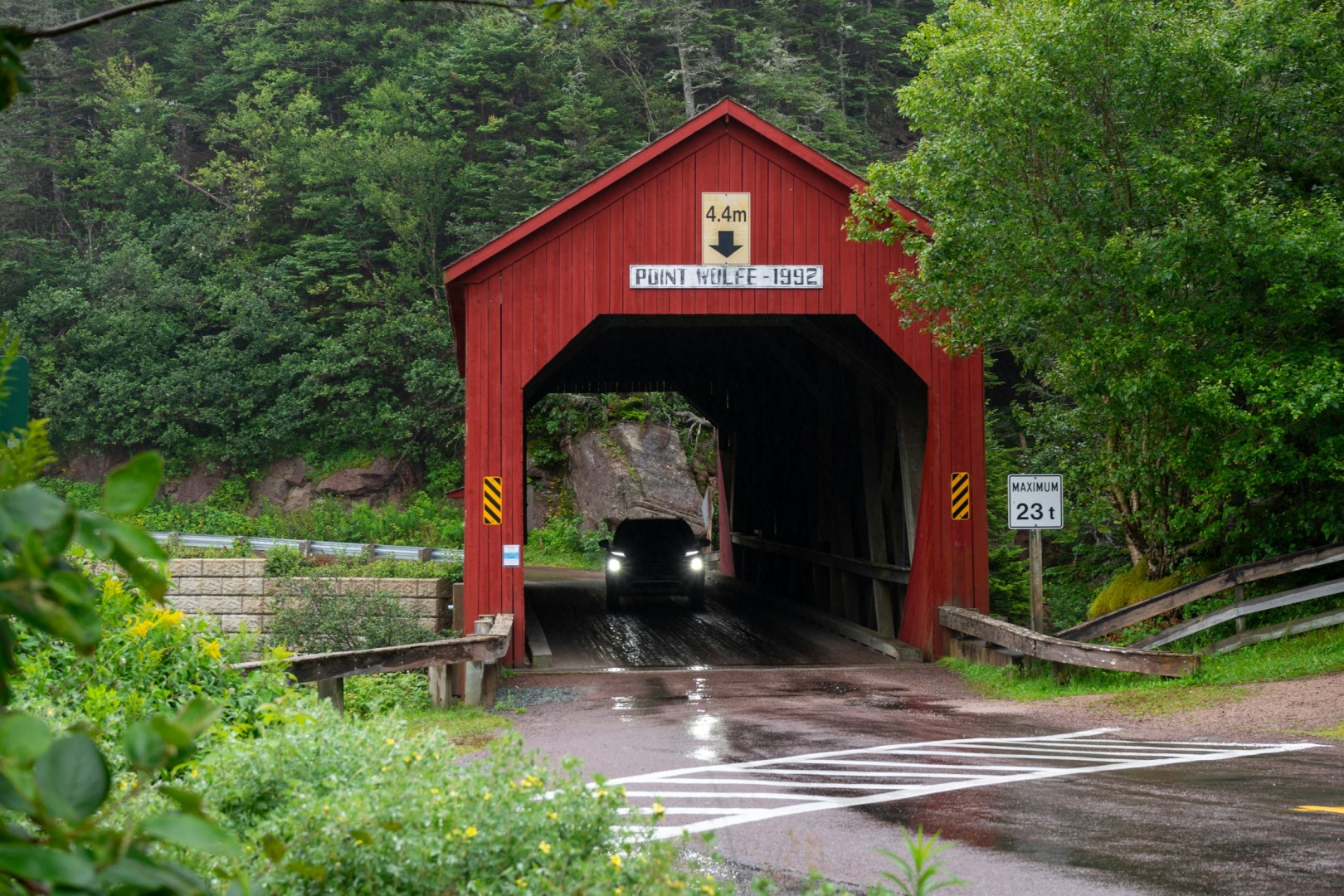
The landscape around Fundy National Park has long been connected to the Mi’gmaq people, whose traditional territory includes the Bay of Fundy region. Indigenous peoples traveled through the area and relied on its forests, rivers, and coastal waters for food and transportation. Later settlement brought fishing, farming, forestry, and shipbuilding to communities around the bay. The park’s cultural landscape includes remnants of earlier roads, camps, bridges, and other structures associated with local settlement and resource use. Nearby communities such as Alma continue to reflect the region’s long relationship with the sea and surrounding forests.
The Bay of Fundy is the park’s defining natural feature, with some of the highest tides in the world reshaping the shoreline twice each day. At low tide, broad areas of ocean floor become exposed along the coast, while the incoming water rapidly transforms the appearance of the bay. Inland, more than 100 kilometres of hiking trails pass through forests and valleys, with routes leading to waterfalls, lakes, viewpoints, and coastal areas. Caribou Plain, Wolfe Lake, Dickson Falls, and Point Wolfe are among the park’s notable locations. The park also provides habitat for moose, black bears, beavers, white-tailed deer, and numerous bird species.
Seafood is an important part of the food culture around Fundy National Park, particularly in nearby coastal communities where lobster, scallops, clams, and other Bay of Fundy products are widely served. The park itself offers campgrounds and picnic areas rather than a large restaurant district, encouraging visitors to experience the landscape alongside locally sourced foods. One of its most distinctive natural details is the interaction between tides and freshwater systems: coastal salt marshes and mudflats provide feeding habitat for migratory birds and marine life. The combination of extreme tides, Acadian forest, and rugged coastline gives Fundy a distinctive ecological character.